
There are various things you should pack for rehab, including essential documents, comfortable clothing, personal hygiene items, prescription medications, and comfort items. It’s also important to know what not to pack. This article will review what to bring so you know what to expect.
Key Takeaways
- Going to rehab can be stressful. Knowing what to pack can ease anxiety and increase adherence to treatment.
- Clients going into a rehab program should bring essential documents, personal care items, comfortable clothing, prescription medications, and comfort items.
- They should also prepare emotionally, by practicing grounding exercises, communicating with loved ones, and setting treatment goals, and logistically, by notifying employers, arranging for pet and childcare, setting up bill payments and mail forwarding, and arranging transportation.
Table of Contents
- Why Is Packing for Rehab Different?
- What Should I Pack for Rehab?
- How Do I Prepare Emotionally for Rehab?
- How Do I Prepare Logistically for Rehab?
- Getting Started at BlueCrest Recovery Center
- FAQs
Introduction
A National Institute of Medicine Study reveals that the ability for stress tolerance is a predictor of early dropout rates in addiction treatment. Part of that stress comes from preparing for care. For example, even deciding what to pack for rehab can cause anxiety that leads to dropping out early in the process.
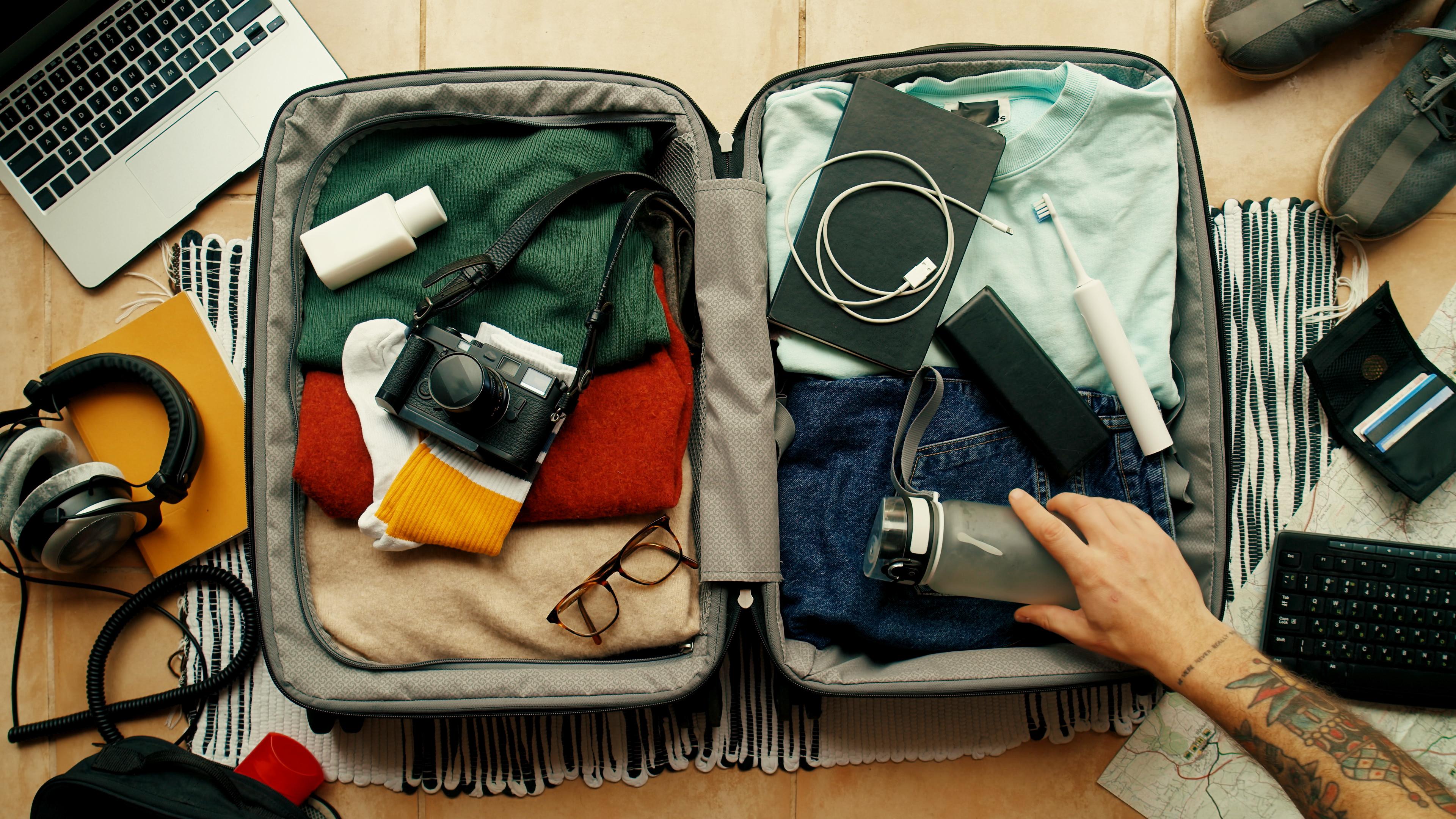
This article relieves some of the stress by telling you exactly what to pack. It recommends personal items, prescribed medications, over-the-counter medications, weather-appropriate clothing, phone numbers, and documents to prepare you for the treatment process.
Why Is Packing for Rehab Different?
Packing for rehab isn’t like packing for a vacation because treatment centers have specific rules ensuring you bring items that support safety and recovery. Some will provide a list, but the details can vary. It’s important to look them over carefully and ask questions if necessary, as careful packing reduces stress and allows you to focus on treatment.
You should also focus on striking a balance between overpacking and underpacking. Underpacking could mean you don’t have the items you need. Overpacking could lead to disorganization, which adds to stress.
The best thing to do is to follow the packing checklist and treat it like a ceiling, not a starting point. Remember, there are typically on-site laundry services, so you don’t need to have fresh clothes every day. Leave valuable items at home- but ensure you take enough of what you can’t find at the center- like medications and clothing for different weather.
What Should I Pack for Rehab?
There are various items you should pack for rehab, including important documents, comfortable clothing, personal hygiene items, prescription medications, comfort items, and electronics. It’s also essential to understand what not to pack. The following sections will review what to bring in more detail.
Essential Documents and Information
You will be asked to provide documents and information as part of the check-in process. These include:
- Government-issued photo ID (driver’s license, passport, state ID)
- Insurance card and any pre-authorization paperwork
- List of current medications (names, dosages, prescribing doctors)
- Pharmacy contact information
- Emergency contact list (names, phone numbers, relationships)
- Method of payment for incidentals (debit card, small amount of cash if allowed)
- Court documents or probation paperwork (if applicable)
Clothing- What to Bring to Rehab
When packing clothing, comfort should be a priority. Discomfort is a factor, especially during detox, and clothing that digs in or rubs can feel ten times worse. Additionally, clothing that you feel good in can support your mood and will allow flexibility if your treatment includes yoga, hikes, and other physical activities.
There may also be guidelines, ensuring clothing is modest (not revealing) and doesn’t feature offensive or triggering graphics.
Also, remember that most facilities offer on-site laundry services, so you don’t need to pack for your entire stay. A week’s worth of clothing should be fine. Ensure clothing is easy to wash.
Items to pack include:
- Tops, bottoms, undergarments, socks, pajamas
- One or two “nicer” outfits for family visits or special activities
- Outerwear appropriate to the climate and season
- Athletic wear and supportive sneakers for exercise and outdoor activities
- Sandals or flip-flops for showers
- Slippers or house shoes
- Swimsuit (modest, if the facility has a pool)
Personal Hygiene and Toiletries
Rehab centers don’t allow you to run to the store, so it’s essential to bring whatever toiletries you need. There may be restrictions, for example, hygiene items with alcohol are typically not allowed. Razors may also be restricted.
Here’s a list of what you should bring:
- Shampoo, conditioner, body wash (alcohol-free)
- Toothbrush, toothpaste, floss
- Deodorant (non-aerosol, typically preferred)
- Hairbrush, comb, hair ties
- Razor (some facilities restrict — check policy)
- Feminine hygiene products
- Skincare basics: moisturizer, sunscreen, lip balm
- Eyeglasses, contact lenses, and solution
- Hair styling tools (some facilities restrict — confirm in advance)
Comfort Items
Recovery can be emotionally taxing. Various items will provide comfort during difficult times. Here are some you may want to take along.
- Journal and pens for personal reflection and step work
- Approved reading material (recovery literature, religious texts, light reading)
- Photos of loved ones (in frames or loose, not bound albums in some cases)
- Stationery, stamps, and addresses for writing letters
- Small comfort items (a favorite pillow if allowed, soft blanket)
- Sobriety tokens or meaningful keepsakes
Medications

Recovery centers typically allow you to bring your current prescription medications, but will usually ask you to show your prescriptions in advance. You will experience less friction with the following guidelines:
- Bring in original pharmacy bottles with labels intact
- Provide a typed list including dosages and prescribing physicians
- Expect medications to be inventoried and dispensed by medical staff
- Over-the-counter medications usually must be unopened and pre-approved
- Vitamins and supplements often require approval
Electronics: What’s Typically Allowed
Electronics are essential in everyday life, but in rehab centers, there are restrictions, as internet access can be distracting and even triggering in a recovery environment. Here’s a list of what may or may not be allowed:
- Cell phones: often held during treatment with scheduled access times
- Laptops/tablets: usually only for those who need them for work or school, with approval
- E-readers: sometimes allowed if not internet-enabled
- Headphones (wired often preferred over Bluetooth)
- Chargers for any approved devices
- Watches (non-smart)
What Not to Pack: Commonly Prohibited Items
Given the delicate nature of rehab, several items are typically prohibited. They can vary by treatment center, but commonly include:
- Alcohol and any products containing alcohol (mouthwash, hand sanitizer, perfume, cologne, aftershave, certain hairsprays)
- Illicit drugs and unauthorized medications
- Weapons of any kind (knives, including pocket knives, scissors with sharp points)
- Glass containers
- Aerosol sprays (in many facilities)
- Provocative, revealing, or offensive clothing
- Clothing or accessories referencing drugs, alcohol, gangs, or violence
- Outside food and drinks
- Candles, incense, lighters, matches
- Pornographic material
- Gaming systems and most electronics
- Expensive jewelry or valuables
- Large amounts of cash
- Sharp objects
- Anything with strings or cords (in some facilities, for safety)
How Do I Prepare Emotionally for Rehab?
Preparing emotionally for a rehab stay requires acknowledging your fears, communicating openly with loved ones, practicing grounding techniques and self-compassion, and setting treatment goals. A 1998 study reveals that pre-motivation and treatment readiness were the strongest predictors of engagement and retention across all modalities. Here are some steps you can take to get ready for the healing process.
- Acknowledge fear and ambivalence as normal: Recovery is an emotionally vulnerable time, but naming your anxiety reduces its power, decreasing stress and improving adherence.
- Communicate openly with loved ones before the admissions process: Public announcements may have the wrong effect, but isolation is also bad for recovery. Talk to 2-3 close friends or relatives and explain what you’re doing and how they can support you.
- Practice grounding techniques and self-compassion: The treatment process can be an emotional rollercoaster, but dysregulation is triggering and can lead to relapse. Practice grounding techniques in advance so you are prepared to handle stressful situations.
- Set personal goals for treatment: They can be as subtle as you need them to be, ranging from staying sober for one day to being honest in a therapy session. What’s more important is feeling like you’re making progress.
- Reframe rehab as an investment, not a punishment: When you think of recovery as an investment in yourself rather than a punishment, you will feel more positive about yourself and gain self-esteem.
- Consider a pre-admission letter to yourself: Include why you’re doing this, what you hope to gain, what you’re willing to do, and what you want to remember when treatment gets hard. Seal the letter and open it when you want to quit. It will be proof that you believed you were worth the effort.
How Do I Prepare Logistically for Rehab?
To prepare logistically, you should notify your employer, arrange childcare, set up bill payments and call forwarding, plan transportation to the facility, arrange pet care, inform key people of your treatment date, complete other outstanding obligations, or notify people of delays, as follows:
- Notify your employer: Let your employer know that you will be away from work. There is no need to explain why you will be away; you can simply say you are leaving to take care of a serious medical condition. Some are concerned about job loss, but protections like the Family and Medical Leave Act and the Americans with Disabilities Act may prevent your employer from replacing you.
- Arrange childcare and family responsibilities: Hopefully, you have a relative or neighbor who can watch your child. If not, talk to a social worker about community programs.
- Set up bill payments and mail forwarding to ensure you don’t miss important payments or communications.
- Plan transportation to the facility: While public transportation is an option, it is best to go with someone you trust to ensure you enter rehab safely.
- Arrange pet care: As with childcare, it is hoped that you have a friend or neighbor who can care for your pet. However, there are shelters that provide free temporary foster care.
- Inform key people (limited circle) of your treatment dates: Let a small circle of friends and relatives know about your treatment. In addition to providing emotional support, they can also take care of small responsibilities you may have forgotten about while you’re in treatment.
- Complete any outstanding obligations or notify of delays: Consider other obligations that need to be taken care of before you go into recovery. If you are unable to take care of them in advance, let relevant parties know there will be a delay.
Getting Started at BlueCrest Recovery Center
At BlueCrest Recovery Center of New Jersey, we understand the first step can be the hardest, but we’ll support you every step of the way. We’ll provide guidance on what to bring to rehab, but more importantly, we’ll stand beside you on your recovery journey, offering personalized treatment in a soothing, non-clinical environment. Our team of experts offers a combination of holistic and evidence-based therapies that support long-term well-being.
Contact us to learn more about our continuum of care.
FAQs
Which comfort items should I take to rehab?
Books, magazines, portable hobbies, and MP3 players are all great comfort items. They provide entertainment and promote relaxation.
What type of clothing should I bring to rehab?
Clothing should be breathable and machine-washable. Layering options like sweaters and hoodies are recommended, as they help you adapt to different weather conditions.
What should I know about hygiene items?
Bring essential toiletries like shampoo, toothpaste, soap, a hairbrush, and nail clippers. Avoid items that contain alcohol or aerosols. All items should be new and unopened.
Can I bring my phone to rehab?
Cell phone use varies depending on the facility’s policy. Many will let you bring your phone, but won’t allow you to access it during treatment hours, or may offer limited phone use during designated hours.
How do I prepare for rehab logistically?
Notify your employer (FMLA and ADA may protect your job during treatment), arrange childcare or pet care, set up automatic bill payments, plan transportation to the facility, and inform a small circle of trusted people of your treatment dates. Complete any outstanding obligations or notify relevant parties of expected delays.
Sources
- U.S. Department of Labor, Wage and Hour Division. “Family and Medical Leave Act.” https://www.dol.gov/agencies/whd/fmla
- U.S. Equal Employment Opportunity Commission. “The Americans with Disabilities Act: Applying Performance and Conduct Standards to Employees with Disabilities.” https://www.eeoc.gov/laws/guidance/americans-disabilities-act-applying-performance-and-conduct-standards-employees
- U.S. Equal Employment Opportunity Commission. “Use of Codeine, Oxycodone, and Other Opioids: Information for Employees.” https://www.eeoc.gov/laws/guidance/use-codeine-oxycodone-and-other-opioids-information-employees
- Substance Abuse and Mental Health Services Administration. “National Helpline.” https://www.samhsa.gov/find-help/national-helpline
- Substance Abuse and Mental Health Services Administration. “Receipt of Services for Substance Use and Mental Health Issues Among Adults: Results from the 2015 National Survey on Drug Use and Health.” https://www.samhsa.gov/data/sites/default/files/NSDUH-ServiceUseAdult-2015/NSDUH-ServiceUseAdult-2015/NSDUH-ServiceUseAdult-2015.htm
- Andersson, H. W., Wenaas, M., & Nordfjærn, T. “Investigating Patients’ Perceptions of Residential Substance Use Treatment: Is Drop Out a Deliberate or Impulsive Act?” Journal of Social Work Practice in the Addictions. https://www.tandfonline.com/doi/full/10.1080/1533256X.2021.1933850
- Daughters, S. B., Lejuez, C. W., Bornovalova, M. A., Kahler, C. W., Strong, D. R., & Brown, R. A. “Distress Tolerance as a Predictor of Early Treatment Dropout in a Residential Substance Abuse Treatment Facility.” Journal of Abnormal Psychology. https://pubmed.ncbi.nlm.nih.gov/16351393/
- Medenblik, A. M., et al. “Examining Trauma, Anxiety, and Depression as Predictors of Dropout from Residential Treatment for Substance Use Disorders.” Journal of Clinical Psychology. https://pubmed.ncbi.nlm.nih.gov/38662953/
- Buckner, J. D., Zvolensky, M. J., & Schmidt, N. B. “The Relationship Between Generalized Anxiety Symptoms and Treatment Dropout Among Women in Residential Treatment for Substance Use Disorders.” Substance Use & Misuse. https://pubmed.ncbi.nlm.nih.gov/27096352/
- National Institute on Drug Abuse. “Treatment and Recovery.” https://nida.nih.gov/publications/drugs-brains-behavior-science-addiction/treatment-recovery
- PACT for Animals. “Pet Foster Care for Medical Patients and Military Personnel.” https://pactforanimals.org/
- RedRover. “RedRover Relief Financial Assistance.” https://redrover.org/relief/