
Table of Contents
When people think of the opioid epidemic in the United States, illicit drugs like heroin come to mind. But fentanyl, a potent synthetic opioid, is rapidly becoming a significant factor in the crisis. If you or a loved one are struggling with an addiction like this, seeking help from a specialized fentanyl addiction treatment program is essential for successful recovery.
BlueCrest Recovery offers substance abuse treatment in New Jersey designed to help people struggling with fentanyl addiction. Our comprehensive and individualized treatment plans include a range of evidence-based therapies, and our caring and compassionate team of trained medical professionals will support you every step of the way. Contact our team online or call 888.292.9652 to learn more about our substance abuse treatment in Woodland Park, NJ.
What Should You Know About the Opioid Epidemic of the United States?
This is not the first epidemic of its kind that the United States has gone through. The meth epidemic of the 1990s and the crack epidemic of the 1980s share many similarities with the current opioid epidemic. All three epidemics have death tolls that are in the thousands, and all of them pose a significant threat to public safety.
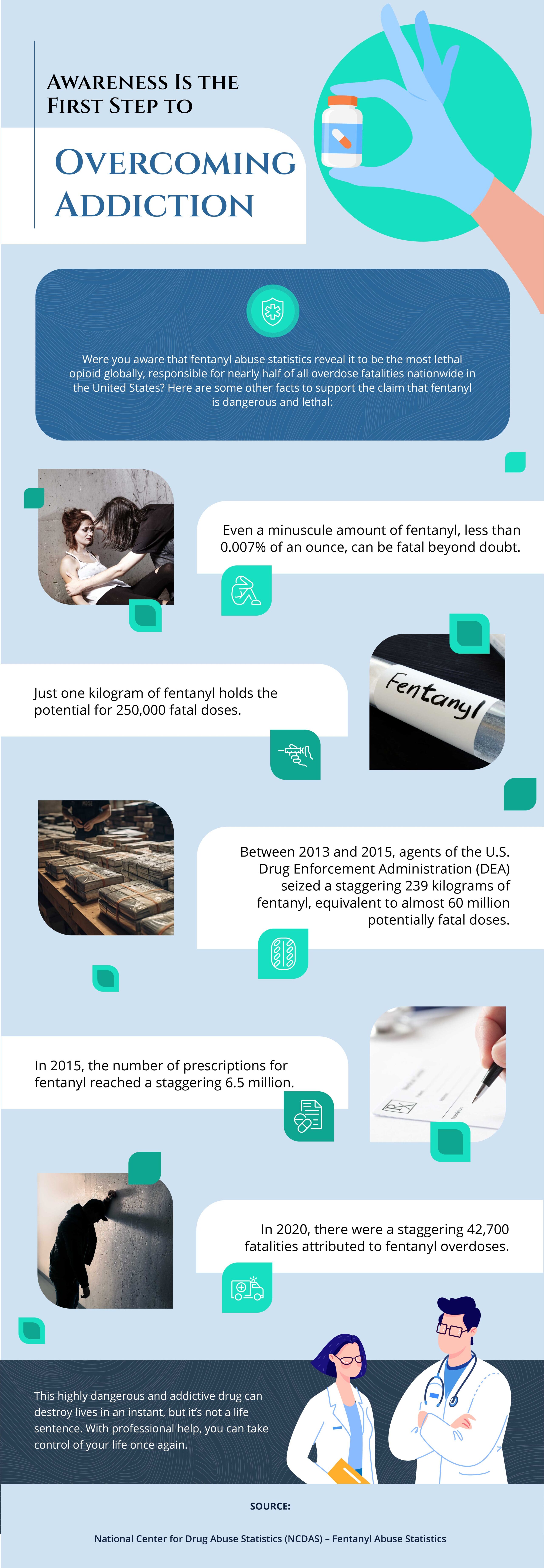
According to the Centers for Disease Control and Prevention (CDC), more than half of opioid overdose deaths in 2019 involved synthetic opioids like fentanyl. This drug’s presence in street drugs, often mixed without the user’s knowledge, has contributed to its rapid spread and high mortality rates. It is essential to understand the potency and dangers of fentanyl addiction and seek help from a specialized treatment program like BlueCrest Recovery.
What Is Fentanyl?
Many people have heard of fentanyl in the news or may know it from talking with their primary physicians. While this drug is not at the center of the opioid epidemic, it plays a role in the growing number of overdose deaths.
Fentanyl is a synthetic opioid that is used for pain management. Its origins can be traced back to the 1960s when it was developed for medical use. It is similar to morphine but is significantly more potent. Fentanyl is primarily used to manage pain in cancer patients and those undergoing surgery. It is 50 to 100 times more powerful than morphine, making it a highly addictive substance with a high potential for abuse. Fentanyl can come in several forms, including:
- Prescribed pills (Actiq, Duragesic, and Sublimaze)
- Illicitly produced powder or tablets
- Laced into other drugs like heroin or cocaine without the user’s knowledge
This opioid drug works by binding to the brain’s opioid receptors, resulting in a flood of dopamine. This rush causes intense feelings of pleasure and relaxation, leading to repeated use and potential addiction. The fact that it’s an accessible drug, even though it’s also a prescription medication, leads to a high likelihood of people struggling with addiction and ultimately overdosing.
The potency of fentanyl is what makes it so dangerous. It takes very little of this drug to cause an fentanyl overdose, and the high potency means it is challenging to stop abusing it without help from a specialized fentanyl addiction treatment program.
How Does Fentanyl Addiction Develop?
What’s the difference between fentanyl abuse and fentanyl addiction? While abuse refers to the use of a substance in an unhealthy or harmful way, addiction is a chronic disease that involves compulsive drug-seeking and use despite negative consequences. Over time, similar to what happens with other addictive substances, fentanyl abuse can lead to addiction.
Fentanyl addiction can develop quickly, even after only a short period of use. Over time, the body can become dependent on fentanyl to function properly, leading to addiction. Factors contributing to fentanyl addiction include the following:
- Genetics, including a family history of addiction
- Mental health conditions like depression, anxiety, or trauma
- Chronic pain that leads to dependence on opioids for relief
People who are more likely to develop fentanyl addiction include those who have used other opioids, have a history of substance abuse, or use drugs recreationally. Seniors and those whose bodies are not used to opioids can also become addicted more quickly. Unlike other substances, you do not need to be exposed to fentanyl repeatedly for a long time before becoming addicted.
Overcoming fentanyl addiction is not an easy journey, but it is possible with the proper support and treatment. At BlueCrest Recovery, we offer a range of evidence-based therapies to address all aspects of fentanyl addiction, including physical dependence, psychological triggers, and underlying mental health conditions. Our caring and compassionate team will work with you to create an individualized treatment plan that meets your unique needs and goals for recovery.
What Are the Dangers of Fentanyl Abuse and Addiction?
Fentanyl abuse and addiction can have severe consequences, including the following:
As with any addiction, a fentanyl-related problem can also affect your behavioral, emotional, mental, and social status. It can disrupt your work or school performance, cause financial issues, and strain personal relationships.
Don’t let the dangers of fentanyl addiction control your life. Seek help from our specialized fentanyl addiction treatment program at BlueCrest Recovery in New Jersey. Our personalized treatment plans will address all aspects of addiction, helping you achieve lasting recovery and a brighter future.
What Are the Signs of Fentanyl Addiction?
The signs of fentanyl addiction can vary from person to person, but some common symptoms include the following:
- Fentanyl cravings
- Sleep disturbances
- Mood swings
- A decline in hygiene
- Lack of motivation
However, the primary sign that fentanyl abuse has become an addiction is when someone experiences withdrawal symptoms when attempting to quit. Fentanyl withdrawal symptoms include nausea, muscle pain, insomnia, anxiety, and depression.
If you or someone you know is experiencing these symptoms, it is crucial to seek professional help at our fentanyl rehab center in New Jersey. Like other fentanyl addiction treatment centers, we offer evidence-based therapies and medications to help manage withdrawal symptoms, reduce cravings, and ultimately lead to recovery.
What Should You Expect from a Fentanyl Addiction Treatment Program?
A fentanyl rehab program is designed to provide personalized care for each individual’s unique needs. It typically involves a combination of therapies, including:
Individual therapy
To address underlying issues and develop coping skills for a successful recovery
Group therapy
To connect with others in similar situations and gain support from peers
Holistic therapies
Like yoga, meditation, or art therapy to promote overall well-being and stress management
Medication-assisted treatment (MAT)
Using medications like buprenorphine or methadone to reduce cravings and withdrawal symptoms
At BlueCrest Recovery Center, we understand that everyone’s journey to recovery is different, so we tailor our fentanyl addiction treatment programs accordingly. Our goal is to provide a safe and understanding environment for individuals seeking help with their fentanyl addiction.
Treatment can be provided inpatient and outpatient, allowing for flexibility depending on individual circumstances. The goal of a fentanyl rehab program is to help individuals safely detox from the drug and learn coping skills to manage addiction in the long term.
Get Started on Fentanyl Addiction Treatment in New Jersey at BlueCrest Recovery
Fentanyl addiction is a severe condition that requires professional help to overcome. A fentanyl addiction treatment program can provide the necessary support and care for long-term recovery. If you or someone you know is struggling with fentanyl addiction, seeking help is the first step toward a healthier future. Contact BlueCrest Recovery online at 888.292.9652 today to learn more about our fentanyl addiction treatment in Woodland Park, NJ.
Everyone there is super kind, they make feel like family, they treat you with respect, and they really understand why people come there looking for help.
Every single person there is special. From the nurses, to the people to lead the group sessions, to the kitchen and the cleaning staff, everyone is just amazing.
I want to thank them for the experience they gave me, for everything they taught me, and most important, for the love and respect they showed me while I was there.
I'd recommend this place to anyone struggling with addiction. They will help you and truly understand what you are going through.
Thank you BlueCrest for everything you do.
Leo
First thing ,talking about employees,is that they showed a lot of understanding which is very important for the first steps at rehab.
I like classes a lot.Not only that I learned a lot but I participated a lot and I was asking the questions.I became open and honest definitely.
All employees gave us support and help.Guys,I love and I respect you all.
You gave us so many tools.
Just to mention one example.
My 6 years old granddaughter wrote in her card “Pop,I am so happy to have you in my life”.She did hit me with the biggest sledgehammer on the earth and woke me up definitely and she made me cry for the first time in my life.
As preschool kid I was macho
kid.So many times I went back home with bloody nose, I didn’t cry,didn’t cry as boy,my parents died,my best friend got killed in car accident, didn’t cry.For me crying was girls thing.It took me 70 years to understand that crying is not about gender,it is abut feelings.
Whole my life I was helping and supporting people.But now I’m on the other side of table.It made me unhappy,insecure.But there was moment that made so happy and proud. I took yoga class and started doing it at home.After couple days Hector joined me and during
one class he said “Predo inspired me to start practicing “. It was such a nice feeling;I am on the both sides of the table.
Thank you so much for giving me all the tools so I can build my building with the help from my family and friends.
I am not religious,I am not spiritual but I can say from the very bottom of my heart
God bless you
Predo
P.P. My relationship with alcohol, everything was tomorrow, tomorrows. Now I have a different tomorrow. Tomorrow I’ll start my new life.
Listen to them.
They know what they’re doing!