Addiction is a complicated beast to fight, and the road to recovery is not easy. An NIH study reveals a mean estimate of 5.35 recovery attempts before a successful rehab. Finding the right addiction treatment center can make the process smoother and increase the likelihood that you will reach your wellness goals.
But many people are unsure how to choose the right addiction treatment center. What characteristics should they look for? What questions should they ask?
This article will review the essential traits, ensuring you find the best care possible.
Navigating the Research Process
Finding the best rehab centers starts with mapping out a process. Here are some steps to consider.
- Identifying Your Goals: Consider your addiction goals. What type of addiction are you fighting? Have you been diagnosed with a mental illness? Are you in need of short-term detox or long-term sobriety?
- Learning What’s Best for You: Do some research to learn about popular addiction treatments and facility atmospheres. This approach will help you narrow down your search.
- Formulate Questions: Make a list of questions to ask when vetting facilities. You should find most of your answers online, but it’s also wise to ask questions in person for a more personalized approach.
- Online Research: Begin researching facilities online, considering where they are located and what they offer.
- The Interview Process: The final step involves calling the facility to ask any unanswered questions. This also helps you determine the staff’s responsiveness and level of care and compassion. You may also visit the facility, although this can delay treatment.
What to Look for in an Addiction Treatment Center
Considering the various factors involved in how to choose the right addiction treatment center could become overwhelming. We’ve made the process easier by recommending questions and characteristics to keep in mind as you research.
Do You Offer Inpatient or Outpatient Care?
Facilities are typically categorized as inpatient or outpatient, with subcategories as follows:
- Inpatient: The patient lives in the facility for a predefined amount of time, typically 3-6 months. During that time, they receive therapy and supervision, ensuring they reach their wellness goals.
- Partial Care Program (PCP): This intensive program requires patients to attend for several hours a day, five to seven days a week. They may return home afterward.
- Intensive Outpatient Program (IOP): These programs offer more flexibility, allowing patients to maintain work or school commitments during recovery.
- Outpatient: Patients receive ongoing care via therapy sessions to maintain sobriety while remaining active in everyday life.
There are various factors to consider when choosing the rehab facility that’s right for you, such as your work flexibility, whether you need to care for young children or elderly relatives, and the severity of the addiction. Cost can also be a factor, as inpatient programs are typically more expensive than outpatient options.
What Type of Substance Use Disorder Treatment Do You Offer?
Facilities may employ different approaches to help patients reach their wellness goals. Common therapies include:
- Cognitive Behavioral Therapy (CBT): A 2023 study shows CBT is used in 94% of rehab facilities. It focuses on changing negative thought patterns that can lead to substance abuse.
- Group Therapy: Patients are treated in a group setting, gaining peer support and understanding that they are not alone.
- Dialectical Behavioral Therapy: Focuses on reducing impulsive behaviors and intense emotions that can lead to self-medicating.
- 12 Step Treatment: Outlines 12 steps necessary for overcoming addiction, with a peer-based approach.
- Dual Diagnosis: This treatment addresses underlying mental health issues that could be feeding addiction disorders.
- Medication-Assisted Treatment (MAT): Facilities often use medications to reduce cravings and detox symptoms. According to SAMHSA, 2.5% of the 27.9 million people treated for alcohol use disorder and 17% of the 4.8 million people treated for opioid disorder receive medication therapy.
Family Involvement: Families are often integrated in therapy, ensuring they take the correct approach at home to support their loved ones’ recovery goals.
What are Your Specialties?
Some clinics treat various disorders, such as alcoholism, opioid abuse, and meth addiction. Others specialize in specific disorders.
Ensure the clinics you research handle your specific addiction. A specialized approach could increase your success rates. However, ensuring staff members have experience with your condition may be more critical.
Are You Accredited?
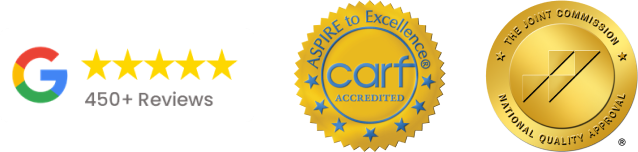
Accreditation is important because it ensures an institution meets certain quality standards. When looking at rehab facilities, the Commission on Accreditation of Rehabilitation Facilities (CARF) may be the most important, as it indicates the organization is updated to the latest standards and takes a consultative and collaborative approach.
Other vital accreditations include:
- Joint Commission Accreditation: Ensures facilities achieve the “Gold Seal of Approval” regarding patient care, safety, and performance.
- Council on Accreditation (COA): Indicates high standards for Certified Behavioral Health Clinics (CCBHCs).
National Association of Addiction Treatment Providers: While not accredited, this program’s membership demonstrates a facility’s commitment to high ethical and professional standards.
What are Your Staff’s Credentials?
An accredited facility is important, but you should also consider staff credentials when selecting a rehab center. Key therapist and counselor credentials include:
- Licensed/Certified Alcohol and Drug Counselor: Many states have specific licensing or certification for counselors specializing in substance abuse.
- Certified Addiction Counselor (CAC): This widely recognized credential offers different levels based on education and experience.
- National Certified Addiction Counselor (NCAC): Issued by the National Certification for Addiction Professionals (NCCAP), this credential has different levels, such as NCAC I and NCAC II.
- Master Addiction Counselor (MAC): This advanced credential is for experienced professionals.
- Licensed Clinical Social Worker (LCSW): A common credential for mental health and addiction treatment center specialists.
Do You Offer Aftercare?
Unfortunately, relapse is common after recovery. A 2022 study of 75 patients treated with outpatient therapy experienced a 56% relapse rate. Aftercare can reduce the risk of relapse, potentially making success rates 1.3 times greater.
Many facilities offer aftercare through regular group and individual meetings, get-togethers, and sponsorship programs, which greatly increase the odds of long-term recovery.
How Much Does Treatment Cost?
While health is priceless, patients must consider cost when choosing an addiction treatment center. Various factors influence cost, including the following:
- Insurance: Work with a facility that accepts your insurance to reduce costs.
- Outpatient vs. Inpatient: Inpatient care is typically more expensive.
- Service and Amenities: Facilities with specialized therapies and luxury amenities may charge more.
- Duration: The duration of the program impacts cost, with longer programs being more expensive.
- Payment Plans and Sliding Scales: Some facilities may work with your budget by offering payment plans or charging clients on a sliding scale.
Atmosphere and Location
Although luxury facilities are not always accessible, most patients will prefer a safe, clean, comfortable environment conducive to recovery. Location is also important, especially when commuting to and from an outpatient facility.
What is Your Approach?
The approach the facility uses is another consideration. Common approaches include:
- Clinical: The facility uses evidence-based treatment to address addiction and its underlying causes.
- Spiritual: Encourages patients to focus on a higher power to reduce loneliness and provide a sense of fulfillment.
- Holistic: Considers patients’ physical, mental, and emotional health to ensure long-lasting recovery.
The best rehab centers will integrate a combination of approaches for optimal well-being.
Client Reviews
Thanks to technology, almost every business has online reviews that indicate the level of service an organization offers. Rehab facilities are no exception.
When looking at online reviews, go beyond positive and negative ratings. Consider when past clients have to say about the approach and atmosphere to ensure the facility aligns with your specific needs.
What are Your Success Rates?
Possibly one of the most important questions you can ask, a facility’s success rate indicates your chances of recovery in the program. While general statistics can be helpful, you can ask clinics to break down numbers according to demographics, types of addictions, and underlying causes. You may also inquire about their success metrics and learn how they track patients after they leave the facility for more accurate insights.
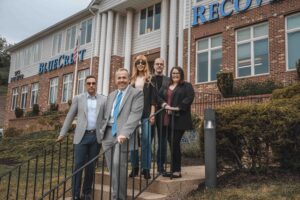
BlueCrest Recovery Center Offers Comprehensive Recovery Services
Searching for the right addiction treatment center can be a timely process, potentially delaying recovery. You can expedite things by contacting BlueCrest Recovery first.
Our center is a trusted name in partial and outpatient care. We offer a comprehensive treatment plan integrating a holistic, spiritual, and clinical approach to drive lasting results. Our team utilizes many therapies, ensuring we find a customized solution for your needs.
Contact us to learn more about what we offer.
FAQs
What is the most successful treatment for addiction?
An NIH review reveals that behavioral therapies, such as individual, family, and group therapy, are the most common types of drug abuse treatments. Medications are also effective when used alongside these techniques.
How long does drug rehab typically last?
Drug rehab typically lasts 30 days to six months, depending on the severity of the addiction. However, many patients require ongoing, lifelong care to maintain sobriety.
What is the root cause of addiction?
Various underlying conditions, including genetics, brain chemistry, and mental health disorders, can cause addiction—many people who have experienced trauma turn to drugs and alcohol to self-medicate.
Next steps
You deserve care that treats you as a person, not a number. Suppose you want small, caring groups with trained leaders, plus family support and a calm setting. In that case, you can ask at Bluecrest Recovery Center. You will receive a straightforward plan that includes group therapy, follow-up care, and next steps tailored to your life. Learn more or request a confidential call at +18885650451