Benzodiazepines help with anxiety, sleep, and seizures. They also create physical dependence. Stopping fast can cause severe withdrawal. In some cases, it can cause seizures. That is why many people look at a medical benzo detox center. A good program checks your health, builds a slow taper, and treats anxiety and insomnia along the way. It also screens for other issues like depression, trauma, or alcohol use. Mixing opioids and benzos raises overdose risk. That calls for extra care. The safest plan is usually a gradual dose cut with medical oversight and support. Evidence-based care, small group settings, and a quiet environment make the process safer and more compassionate. If you have failed past tapers, have high doses, or have complex health needs, a boutique medical detox center may fit you. If you are stable on a low dose, a slow outpatient taper may be enough. This guide explains how benzo detox works, who needs it, what to ask, and how to make an informed decision. Keep reading to learn the steps, the risks, and the signs that a benzo detox center is right for you.
What is a benzo detox center?
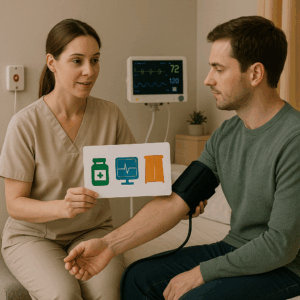
A benzo detox center is a medical setting that helps you stop benzodiazepines safely. Staff assess your health, design a taper, and watch you 24 hours a day. They treat withdrawal symptoms and keep you steady and safe. They can also start therapy and plan the next steps after detox.
These centers treat short-acting and long-acting benzos. They also help with related medications, such as Z-drugs. A clinical team may include physicians, and therapists. The goal is simple. Lower your dose at a safe pace and protect your brain and body. The FDA warns that sudden stops or fast cuts can cause severe withdrawal. A supervised plan lowers that risk.
Quick facts
- Medical detox is not the same as rehab. Detox is the start.
- A taper means minor dose cuts over time.
- Care often includes support for sleep, anxiety, and nutrition.
- After detox, most people step into residential, PHP, or IOP.
Why withdrawal needs medical care
Benzo withdrawal can be dangerous. Symptoms can include panic, insomnia, tremors, and seizures. Risk rises with higher doses, short-acting drugs, long-term use, and fast cuts. Some people also face protracted symptoms that last weeks or months. This is another reason to taper with care and support.
Mixing opioids and benzos makes things riskier. Both slow breathing. Together, they raise the chance of overdose. If you use both, you need close monitoring and a careful plan for both medicines. A medical detox center can coordinate this safely.
Key risks to manage
- Seizures, delirium, or severe agitation
- Rebound anxiety and insomnia.
- Dehydration, poor nutrition, and blood pressure swings
- Overdose risk if opioids or alcohol are also in use
Who should consider a benzo detox center?
You may need a medical benzo detox center if you have failed past tapers, use high doses, or have short-acting benzos like alprazolam. You may also need it if you have other medical or mental health needs that complicate the taper. Safety comes first.
People who take opioids, alcohol, or other sedatives often need inpatient care. The goal is to reduce risk and keep you stable. Inpatient settings can monitor, provide rescue care if required, and adjust the taper on a day-by-day basis. If your home is stressful or unsafe, a calm setting can help you focus.
You likely benefit from inpatient care if you have
- A history of seizures or severe withdrawal
- High daily doses or multiple sedatives
- Co-occurring depression, trauma, or panic disorder
- Past failed tapers despite reasonable effort.
- Limited support or unstable home setting
When an outpatient taper may be enough
Some people can taper as outpatients. This is more likely if doses are low, the person is medically stable, and there is strong family support. A primary care or psychiatric prescriber can guide a slow taper. The key is patience and a plan. Cuts are small and spaced out.
Use a shared decision tool. Learn the pros and cons. Ask about symptoms and what to expect. If things get worse, slow down. If safety flags appear, step up to a higher level of care. Your plan should be flexible and kind to your nervous system.
An outpatient taper might fit if
- You are on a low dose and stable
- You have strong support at home.
- You can attend frequent medical visits.
- You know how to spot danger signs early.
What actually happens in medical benzo detox
Detox begins with a complete assessment. The team reviews your benzo type, dose, and schedule. They check vital signs, labs, sleep, mood, and any other substances. Then they set a starting plan. Many programs convert to a longer-acting benzo and taper from there. The plan is adjusted based on symptoms and function.
You will have 24-hour care. Doctors check in daily. You get medicine for sleep, nausea, or blood pressure if needed. You learn simple skills for grounding, breath, and sleep hygiene. The taper pace is patient-specific. Evidence-based guidelines support slow and individualized tapers to reduce harm and improve success.
Typical steps
- Assessment and safety plan
- Dose conversion when appropriate
- Scheduled taper with symptom tracking
- Sleep, anxiety, and nutrition support
- Planning next level of care
Tapering basics you should know.
A taper means small dose reductions at set intervals. Cuts may be weekly or every two weeks. If symptoms spike, you hold the dose longer. The safest plan is the one you can tolerate. There is no one schedule for all. The right pace balances comfort and progress.
Short-acting benzos often feel rougher on the way down. Longer-acting agents may smooth the curve. Medical teams look at your history, body, and goals. They also check for medicines or health issues that could interfere. Clear patient education and shared decisions matter.
Good taper habits
- Expect ups and downs
- Keep a simple symptom log.
- Protect sleep with routine and light exposure.
- Walk, hydrate, and eat regular meals.
- Tell staff about new or scary symptoms fast.
Medicines are sometimes used in detox.
The primary medicine in benzo detox is the benzo itself. That is the taper. Some centers also use non-addictive meds to ease symptoms. These may target sleep, nausea, or blood pressure. Your team will avoid drugs that raise risk or block progress.
In rare, specialized cases, centers may use flumazenil under the care of an expert. This is not for routine use. It requires specific protocols and safety monitoring in hospital settings. Decisions like this are made by specialists and only when benefits outweigh risks.
Supportive tools might include
- Sleep hygiene, light therapy, and CBT-I skills
- Non-addictive sleep aids when appropriate.
- Alpha-2 agents for autonomic symptoms
- Careful nutrition and hydration plans
What the first week can feel like
Early days often bring anxiety, poor sleep, and body tension. Staff will coach simple skills, such as paced breathing and grounding. Gentle activity helps. Short walks, stretching, and fresh air can calm your system.
As the taper progresses, you may notice windows and waves. Some days feel easier. Others feel tight. This is normal. Slow, steady steps and a calm setting make a big difference. If symptoms surge, the team may hold or adjust the taper.
Helpful daily routines
- Morning light and a short walk
- Set mealtimes and hydration goals.
- Screens off an hour before bed
- Brief check-ins with clinicians and therapy
The extra risk of mixing benzos with opioids or alcohol
Benzos plus opioids slow breathing and increase overdose risk. This is a known danger. If you take both, a medical detox plan must account for interactions and timing. Alcohol adds more risk. You should be honest with your team so they can keep you safe.
Guidelines urge caution and frequent review. The goal is to avoid overlap and reduce harm. A monitored setting can handle complex cases and can coordinate care across conditions and medicines.
Tell your team if you
- Use opioids or alcohol
- Have sleep apnea or lung disease
- Take other sedatives or antihistamines.
- Use other substances to sleep or calm down.
Therapy and whole-person support that help
Detox is medical, but support is human. Skills from CBT help with thoughts that fuel panic. DBT skills help with distress tolerance. Trauma-informed care and EMDR can come later in treatment to process root causes. Mindfulness, yoga, and gentle movement help your nervous system feel safe again.
Small group sizes let you feel seen. A calm, private space reduces triggers. A luxury or boutique detox center may add single rooms, quiet lounges, and extra wellness supports. These comforts do not replace medicine. They make the hard work more doable.
Expect to learn
- Breathing, grounding, and sleep skills
- How to ride waves of anxiety
- How to ask for help from staff and family
- How to set a simple self-care plan
Dual-diagnosis care matters
Many people who use benzos also live with anxiety, depression, PTSD, or grief. Treating these together improves outcomes. If you only taper the drug but ignore the cause, you may struggle later. Ask how the center screens and treats mental health needs during and after detox.
Medication review is key. Some meds may help once the taper is stable. Others may need adjustment. Coordinated care with psychiatry enables you to leave with a plan. This lowers the chance of relapse or crisis.
Ask about
- Psychiatric evaluation during detox
- Therapy options after detox
- How teams coordinate medications
- Family education and support groups
How long does benzo detox take?
Length varies by dose, duration, and your body. Some people stabilize within a couple of weeks. Others need more time. Symptoms can improve in a stepwise way. Protracted symptoms can happen, which is why aftercare matters. Education helps you know what is normal and what needs a doctor visit.
A good center will not rush you. The team will strike a balance between progress and comfort. They will explain each change and track data like sleep, vitals, and function. The goal is safe momentum, not a race.
Expect
- A personalized timeline, not a fixed number
- Holds or slowdowns when symptoms rise
- Clear communication about each step
- Early planning for PHP or IOP after discharge
Cost, insurance, and transparency
Money is a genuine concern. Most boutique programs verify benefits and explain any out-of-pocket costs before admission. Ask for written estimates and what is included. Ask about any extra fees. Some centers can help set up payment plans when needed.
Insurance often covers medically necessary detox. Coverage varies by plan and state. A clear clinical assessment and accurate coding help. If you travel for care, ask about travel and aftercare costs. Clarity reduces stress and helps you stay focused on recovery.
Before you decide, ask
- Do you verify my benefits and give a written estimate
- What is included in the daily rate
- What is not included
- What happens if I need a more extended stay
How to choose the right medical benzo detox center
Focus on safety, clinical depth, and fit. Look for licensed programs with 24-hour care and physician oversight. Check that they use evidence-based tapers. Ask how they handle co-occurring disorders. A small census often means more attention and quiet space.
Read reviews, but go deeper. Speak to admissions and clinical staff. Ask about family involvement, aftercare planning, and step-down options like PHP and IOP. Trust matters. You are not a number. You are a person starting a new chapter.
A strong center will
- Follow the latest clinical guidelines for tapering.
- Screen for opioid or alcohol risks and adjust care.
- Teach skills and plan aftercare, not just discharge.
- Keep you informed and part of every decision.
Red flags to avoid
Be cautious with any program that promises a quick fix. Sudden stops or rapid tapers can cause harm. Be careful if a center cannot explain its medical model or avoids questions about risks. You deserve clear answers.
Avoid centers that minimize overdose risks or ignore co-occurring use. Avoid places that do not offer proper medical oversight. Safety first. Shortcuts are not worth it, especially with benzos. The FDA and major guidelines are clear about gradual, supervised care.
Watch out for
- Guarantees of no symptoms
- One-size-fits-all schedules
- No 24-hour care or physician coverage
- No plan for aftercare or family support
Decision checklist: Is a benzo detox center right for you?
Use this simple checklist. If multiple individuals apply, consider inpatient medical detoxification as an option. If few apply, ask your prescriber about a slow outpatient taper.
First, look at safety. Think about your home setting and support. Be honest about other substances. Then talk with a medical team you trust. Shared decisions lead to better outcomes.
Check all that apply
- High daily doses or short-acting benzos
- Past failed tapers or severe symptoms.
- Co-use of opioids, alcohol, or other sedatives
- Medical or mental health conditions that raise risk
- Limited support at home or in a high-stress setting
Sources worth knowing
You deserve trustworthy information. These official and scientific resources explain risks, tapering, and safety:
- FDA boxed warning for benzodiazepines.
- ASAM Joint Clinical Practice Guideline on Benzodiazepine Tapering, 2025.
- NIDA on opioids and benzos overdose risk.
- CDC and OSHA advise on avoiding concurrent prescribing.
- SAMHSA on protracted withdrawal and long-term symptoms.
- NICE patient decision aid on stopping benzos and Z-drugs.
Final word and next steps
Choosing a benzo detox center is about safety, fit, and trust. If your past tapers failed, if your dose is high, or if you also use opioids or alcohol, medical detox may be the safest path. If your dose is low and life is stable, a slow outpatient taper might work. Either way, you deserve care that treats your whole life, not just your medicine list.
Suppose you are ready to explore a quiet, boutique setting in New Jersey with small groups, clinical depth, and a gentle, spiritually warm approach. In that case, BlueCrest Recovery Center can help you map the next step. We will review your history, check your benefits, and build a safe plan with you. Call or visit BlueCrest to verify insurance and speak with an admissions specialist today. If you need immediate help finding any treatment, call +18885650451.