Choosing a rehab in New Jersey means asking questions about the level of care, licensing and accreditation, treatment approaches, staff credentials and ratios, program length and structure, costs and insurance, aftercare, reviews and track record, and red flags. This article reviews why these questions are important and provides insight on how BlueCrest Recovery measures up.
Key Takeaways
- Addiction is difficult to overcome. Finding the right treatment center can increase the odds of a successful recovery.
- When choosing a treatment center, clients should ask questions regarding the therapies offered, staff credentials, program length and structure, cost and insurance, track record, licensing and accreditation, and the continuum of care.
- There are also various red flags to look out for, such as a lack of transparency, high-pressure sales tactics, and patient brokering.
Table of Contents
- Is the Drug Rehab Facility Licensed and Accredited in New Jersey?
- What Levels of Care Are Offered?
- Does the Program Treat Co-Occurring Disorders?
- What Treatment Methods and Therapies Are Used?
- What Are the Credentials and Availability of the Staff?
- How Long Is the Program and Is It Individualized?
- What Will the Treatment Cost and What Will Insurance Benefits Cover?
- What Does Aftercare Planning and Alumni Support Look Like?
- Are There Any Red Flags I Should Look Out For?
- Get the Care You Need at BlueCrest Recovery of New Jersey
- FAQs
Introduction
Drug addiction is a hard beast to fight. Finding the right rehab center could be the difference between a successful outcome and an ongoing battle. But how do you choose one that’s suited to your needs?
This article offers 10 questions to ask about the treatment program to ensure you get the perfect fit.

1. Is the Drug Rehab Facility Licensed and Accredited in New Jersey?
Every rehabilitation facility should be licensed by its state. In New Jersey, licensing is overseen by the NJ Division of Mental Health and Addiction Services (DMHAS).
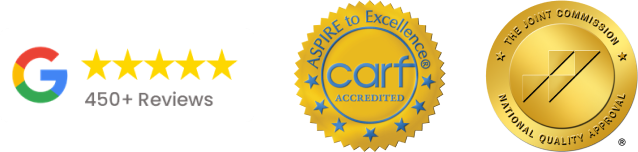
Accreditation shows the treatment provider goes beyond standards to offer high-quality care. Rehab centers are often accredited by the Joint Commission, which shows excellence in the medical field, and the CARF, which is more specific to rehabilitation.
2. What Levels of Care Are Offered?
An addiction treatment program is typically spread over levels of care. Each level can be a step up or down from a previous level or a primary level of care, ensuring client needs are met based on where they’re at on the treatment spectrum. BlueCrest offers various levels of outpatient treatment that allow care while living at home.
- Partial Care: This level offers a highly structured approach for individuals who require intensive treatment. It entails several hours of therapy sessions, several days a week, as part of a full-time approach to care.
- Intensive Outpatient Program (IOP): Offers fewer hours of care for clients who can adhere to treatment on a more flexible schedule. It typically involves three hours of treatment 3-5 days a week, allowing clients to schedule treatment around work, school, and other responsibilities. BlueCrest offers an evening IOP for optimal convenience.
- Traditional Outpatient Treatment: This involves short weekly or biweekly sessions, as part of an ongoing recovery process.
3. Does the Program Treat Co-Occurring Disorders?
2024 SAMHSA research shows 21.2 million adults had co-occurring mental health issues and substance use disorders. When these conditions coexist, a dual-diagnosis approach is necessary. It begins by targeting physical dependence; then evidence-based care is used to target underlying emotional issues.
4. What Treatment Methods and Therapies Are Used?
Treatment centers should develop personalized plans that use proven methods to guide the best outcomes. Here are some treatment modalities BlueCrest commonly integrates in our rehab program:
- Cognitive Behavioral Therapy (CBT): Addresses negative thought patterns and teaches clients coping strategies to manage their emotions in a healthy way.
- Dialectical Behavior Therapy (DBT): Takes a more mindful approach to emotion regulation, with a focus on distress tolerance.
- Motivational Interviewing (MI): Targets ambivalence in rehab, motivating people to overcome addiction.
- Family Therapy: This is a critical part of care as it improves recovery rates for addiction patients. During sessions, families learn communication skills and the best way to support their loved one.
- Group Therapy: Reduces feelings of isolation and helps clients understand they are not uniquely broken.
- Holistic Practices: Mindful approaches complement evidence-based care to promote emotional regulation.
5. What Are the Credentials and Availability of the Staff?
Ideally, the clinic will be staffed with a multidisciplinary team of licensed professionals, including psychiatrists, psychologists, addiction counselors, nutritionists, and registered nurses. High staff-to-patient ratios are also important, ensuring each client receives undivided attention across their recovery journey.
6. How Long Is the Program and Is It Individualized?
Program length varies based on the severity of the addiction and underlying conditions. However, according to the National Institute on Drug Abuse (NIDA), most people struggling with addiction need at least three months in treatment to significantly reduce or stop drug use, and longer durations result in better treatment outcomes.
It’s also critical for the center to offer a personalized rehab process, based on your treatment goals, lifestyle, type of addiction, and mental health issues.
7. What Will the Treatment Cost and What Will Insurance Benefits Cover?

Rehab can be expensive. While your health is priceless, cost can be a concern. Most rehab centers accept private insurance, but coverage varies by plan and provider, and it’s important to know what you might be paying.
BlueCrest can verify insurance benefits over the phone for full transparency. We can also offer payment plans to make the treatment process more affordable, ensuring recovery doesn’t break the bank.
8. What Does Aftercare Planning and Alumni Support Look Like?
Recovery isn’t achieved the moment the initial stages of care are complete. Post-treatment support is crucial to continuity of care and necessary in maintaining sobriety and emotional regulation.
Beyond finding out if aftercare is available, ask what it includes. BlueCrest offers relapse prevention, ongoing therapy, phone coaching, support groups, community support, resources, and a supportive living facility, ensuring a successful reintegration to society.
9. What Do Reviews and Track Record Say About the Program?
Most treatment centers have online reviews that can help you evaluate the program. Beyond looking for positive reviews, ask yourself if these reviews align with what you’re looking for in a treatment center, which could mean a comfortable environment, evidence-based treatment, or a compassionate staff.
You may also ask the facility for references. If possible, talk to people who have attended the program before. They should provide real insight into what to expect.
10. Are There Any Red Flags I Should Look Out For?
Various red flags can indicate a treatment program is not right for you, including guarantees of a cure, high-pressure sales tactics, high staff turnover, a lack of transparency regarding cost, credentials, and the treatment approach, and patient brokering, a practice that involves paying for referrals and is commonly found across the Florida/New Jersey corridor. If you notice these red flags, consider another provider.
Get the Care You Need at BlueCrest Recovery of New Jersey
When it comes to treatment center excellence, BlueCrest Recovery checks off all the boxes. We offer evidence-based, personalized treatment, a credentialed, multidisciplinary staff, comprehensive care, and no-obligation insurance verification. Contact us to learn why we are a top provider of recovery services in New Jersey.
FAQs
What’s the difference between a licensed facility and an accredited one?
Licensing is a state requirement for legal operation (in NJ, through the Division of Mental Health and Addiction Services). Accreditation, such as through the Joint Commission or CARF, is a voluntary, additional credential showing the facility meets national standards for quality and safety.
Will my insurance cover rehab in NJ?
Many plans offer at least partial coverage for substance use treatment, but the details vary by provider, plan, and level of care. It’s best to call the facility directly or your insurance company to verify benefits before enrolling.
How do I know what level of care I need?
The appropriate level of care is typically determined based on the severity of the addiction and underlying conditions. Typically, the facility will conduct a thorough assessment of your medical history and current state to ensure treatment matches your needs.
What if I have a mental health condition along with a substance use disorder?
Many clinics offer a dual diagnosis approach that simultaneously treats addiction and underlying mental health conditions, guiding long-term recovery outcomes.
Can I ask to speak with former patients before choosing a program?
Some facilities offer references from alumni or family members who’ve agreed to share their experience. Not all can due to confidentiality requirements, but a willingness to connect you with alumni support (or a strong alumni program in general) is often a good sign.